

Cart
0
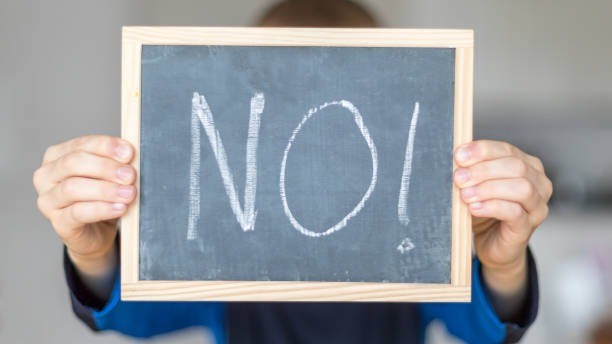
There are mornings when a child’s struggle isn’t about being lazy, defiant, or dramatic. It’s about fear, overwhelm, shame, anxiety, trauma, or emotional exhaustion. School refusal is not “skipping school.” It is a real emotional response where a child feels unable to attend school because the distress feels unbearable.
And it’s rising - especially among middle and high school students.
What Is School Refusal?
School refusal is when a child:
- Experiences intense distress at the idea of going to school
- May cry, panic, feel sick, or shut down in the mornings
- Often wants to succeed but feels emotionally unable to attend
- May attend inconsistently or stop attending altogether
This is different from truancy. These kids usually want to do well. They are not trying to break rules - they are trying to survive something that feels too big inside.
Why Is This Happening More?
School refusal has increased dramatically in recent years due to a mix of emotional, social, and environmental pressures:
- Anxiety and depression
- Social pressure, bullying, or social media harm
- Academic overwhelm or perfectionism
- Trauma, grief, or family stress
- Neurodivergence or learning differences
- Fear of judgment, embarrassment, or failure
- Online drama that follows kids into the classroom
- Loss of trust in safety - emotionally or physically
For many kids, school has become a place where they feel constantly evaluated, exposed, or unsafe - especially socially.
The Role of Technology
Digital life doesn’t stay online anymore. Conflicts, rumors, bullying, pressure, and comparison follow kids straight into the classroom.
Many children who refuse school are dealing with:
- Online bullying or humiliation
- Sexualized content exposure
- Sextortion or manipulation
- Social comparison and body shame
- Gaming or social media addiction disrupting sleep and mood
- Constant social pressure without relief
School becomes unbearable when a child feels watched, judged, targeted, or exhausted before the day even starts.
What School Refusal Looks Like at Home
Parents often see:
- Tears, panic, or shutdown in the mornings
- Stomachaches, headaches, or nausea with no medical cause
- Rage or defiance that is actually fear
- Avoidance, isolation, or withdrawal
- Exhaustion or emotional numbness
This is not manipulation. It is a nervous system in overload.
What Helps
There is no quick fix, but there is hope.
1. Lead with empathy, not punishment Your child needs safety, not fear. Shame makes school refusal worse.
2. Listen more than you lecture What feels unbearable to them matters - even if you don’t fully understand it.
3. Normalize hard conversations Short, frequent talks work better than one big serious talk.
4. Work with the school Ask about flexible schedules, partial days, online options, quiet spaces, or modified workloads.
5. Get professional support Therapists, school counselors, pediatricians, and sometimes psychiatrists can help. There are even coaches who specialize in teaching you how to advocate for your child which was a huge help to us when my daughter was going through this at various times during 8th, 9th and 10th grades.
6. Address digital stress Reduce screen time, increase sleep, remove harmful platforms, and create tech-free recovery time.
7. Celebrate small steps Progress might be: one class, one hour, one brave attempt. That still counts.
A Message to Parents
If your child is refusing school, you are not failing. You are walking through something hard with someone you love deeply.
Your job is not to force them through pain, but to walk with them through it until they are strong enough to face it again.
Connection comes before correction. Safety comes before success. Trust comes before change.
Healing doesn’t start with attendance. It starts with feeling understood.
Reach out to me if you are struggling with this issue and just want to talk. I've been there and it's heartbreaking and overwhelming, AND, you will get through it. I'm happy to share how we muddled our way through this and be a support.

