

Cart
0
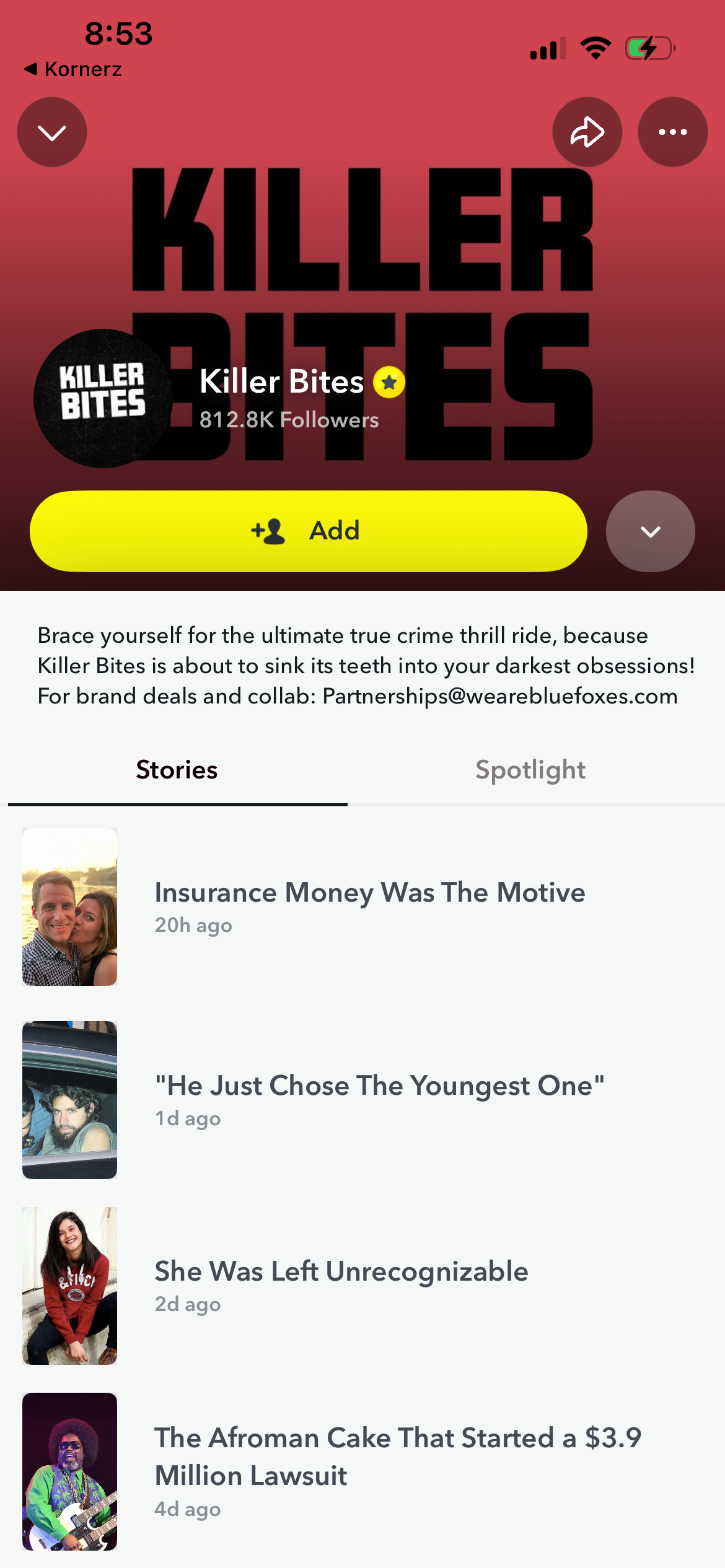
Everyone knows I abhor Snapchat.
The only reason I have it on my phone is for research.
As the founder of Sacred Stewardship,and as the mother of two children who are now almost 21 and 18, I intentionally keep these notifications turned on so I can see firsthand the kind of content the platform chooses to push to its users. It gives me opportunities to have honest conversations with my own kids while helping me better understand the digital environment millions of children and teenagers are navigating every day.
Today, I received a push notification promoting the story of a little girl who had died after her mother allegedly left her home alone while she went out partying. I wasn't looking for true crime or child neglect.
Snapchat interrupted my day with a notification about the death of a toddler because its algorithm believed it was content worth putting in front of me.
The little girl's name was Asiah who was just 20 months old when she died after being left alone in an apartment for nearly six days while her mother traveled to celebrate her eighteenth birthday. It is a heartbreaking tragedy that rightly horrified people around the world.
This tragedy happened in 2019. It wasn't breaking news.
Yet Snapchat resurfaced it as fresh engagement content through a Discover publisher called Killer Bites, a true crime channel that packages stories about murdered children, serial killers, missing persons, and violent crimes into short-form videos designed to capture attention and keep people watching.
A two-year-old child's death was transformed into a push notification.
The deeper question is this:
Why are technology companies proactively pushing emotionally charged, traumatic, and sensationalized content to users? Why has maximizing engagement become the default business model instead of protecting human well-being, especially when children and teenagers are using these platforms every day?
We spend countless hours asking what our kids are searching for online. We spend far less time asking what is being pushed to them without them ever asking. That distinction matters.
As I discuss in my book, recommendation algorithms are not neutral. They shape attention. They shape emotions. They shape perceptions of the world. And for children and adolescents whose brains are still developing, those design choices matter.
This is one more reason I continue to say #HardNo to Snapchat.
The inordinate amount of evidence of its harm, from sextortion and predators to drug sales, pornography, addictive design, mental health concerns, and now algorithmically promoted violent content, is simply too overwhelming to ignore.
Since Snapchat won't grow a conscience and put children ahead of engagement, parents have to.
If your older teen or young adult is still using Snapchat, I encourage you to have an honest conversation about whether it's adding anything meaningful to their life.
And if your child doesn't have access yet, please keep it that way.
Make Snapchat a #HardNo.
At Sacred Stewardship, we often say we must move beyond conversations about screen time and begin asking deeper questions about digital ethics, corporate responsibility, and the moral responsibility technology companies have to the families they profit from.
Technology is never neutral - every notification reflects a decision. Every algorithm reflects a set of values.
The question is simple: Are those values helping our children flourish, or simply keeping them engaged?
Childhood is sacred.
It's time we started treating it that way.
#ChildhoodIsSacred #SacredStewardship #SacredCommerceAlliance #BringGodBack #ProtectChildren #DigitalEthics #CorporateResponsibility #DeleteSnapchat

