

Cart
0
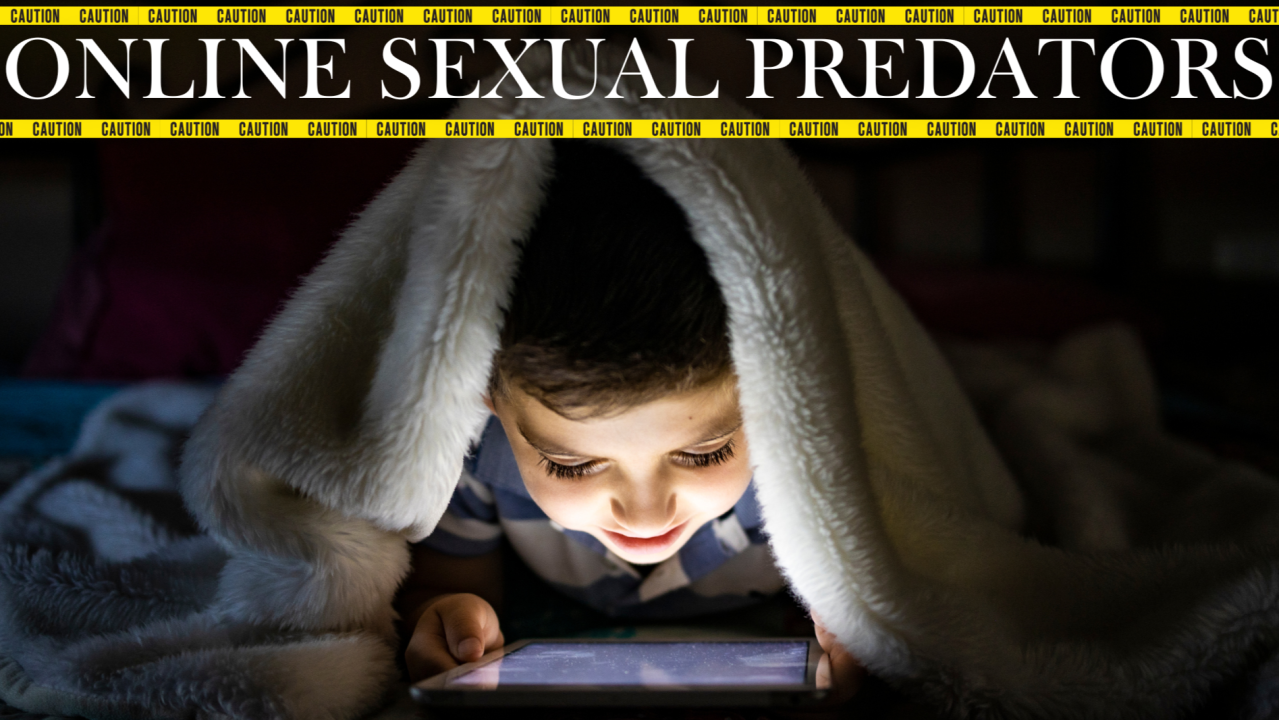
The average child is exposed to pornography by age 10.
Many encounter it much earlier.
According to Common Sense Media, 15% of teens report first seeing pornography at age 10 or younger, and more than half have been exposed by age 13. Most aren't even looking for it. Nearly 60% say their first exposure was accidental - through social media, messaging apps, pop-ups, search results, or links shared by friends.
This isn't simply a parenting challenge.
It is a child protection issue.
And increasingly, it is a grooming issue.
One of the most disturbing realities is that online predators intentionally use pornography to desensitize children. A global review by the International Centre for Missing & Exploited Children found that offenders frequently introduce pornography as part of the grooming process, gradually normalizing sexual content, breaking down boundaries, and manipulating children into sending explicit images or engaging in sexual conversations.
Pornography has become more than explicit entertainment.
It has become a tool of exploitation.
Children are being introduced to distorted and often violent depictions of sex before they have the emotional maturity to understand healthy relationships, intimacy, consent, or human dignity. Common Sense Media found that more than half of teens who have seen pornography reported exposure to violent content, including choking, aggression, or non-consensual acts.
When pornography becomes a child's first sex educator, it shapes expectations in ways that can have lifelong consequences.
It alters perceptions of relationships.
It distorts healthy intimacy.
It contributes to unrealistic expectations, objectification, addiction, anxiety, shame, and confusion about identity and sexuality.
Most concerning of all, it creates a foundation that predators know how to exploit.
This is why the conversation cannot stop at internet filters or parental controls.
Technology alone cannot solve a problem that is ultimately relational, moral, and cultural.
Children need parents who have ongoing conversations about relationships, boundaries, dignity, and God's design for sexuality long before the internet introduces its counterfeit version.
They need schools that teach digital literacy and help students recognize manipulation and grooming tactics.
They need policymakers willing to strengthen laws against online exploitation.
They need technology companies that prioritize child safety over engagement and advertising revenue.
And they need churches willing to speak honestly about pornography, not merely as a private moral struggle, but as one of the pathways through which children are being exploited.
At Sacred Stewardship, we believe this is part of a much larger crisis.
The digital world is increasingly shaping childhood, identity, sexuality, relationships, and human development. Pornography is not an isolated issue; it is one piece of a broader system that is conditioning children through algorithms, addictive technology, and profit-driven platforms that too often place engagement above human flourishing.
Protecting children requires more than reacting after harm has occurred.
It requires restoring moral clarity before harm begins. Every conversation matters. Every safeguard matters.
Every delayed smartphone, every device kept out of the bedroom, every honest discussion about healthy relationships, every technology company held accountable, and every parent who chooses engagement over silence helps build a culture where children can flourish.
Protecting children from sexual exploitation is not optional.
It is our sacred responsibility.

